
For Amazon FBA sellers managing international supply chains, choosing between Less than Container Load (LCL) and Full Container Load (FCL) shipping can have a significant impact on logistics costs, planificación de inventario, and delivery performance. Whether you’re shipping from China to the United States, Canadá, el reino unido, or Europe, understanding the advantages and limitations of each shipping method helps ensure a more efficient and cost-effective supply chain.
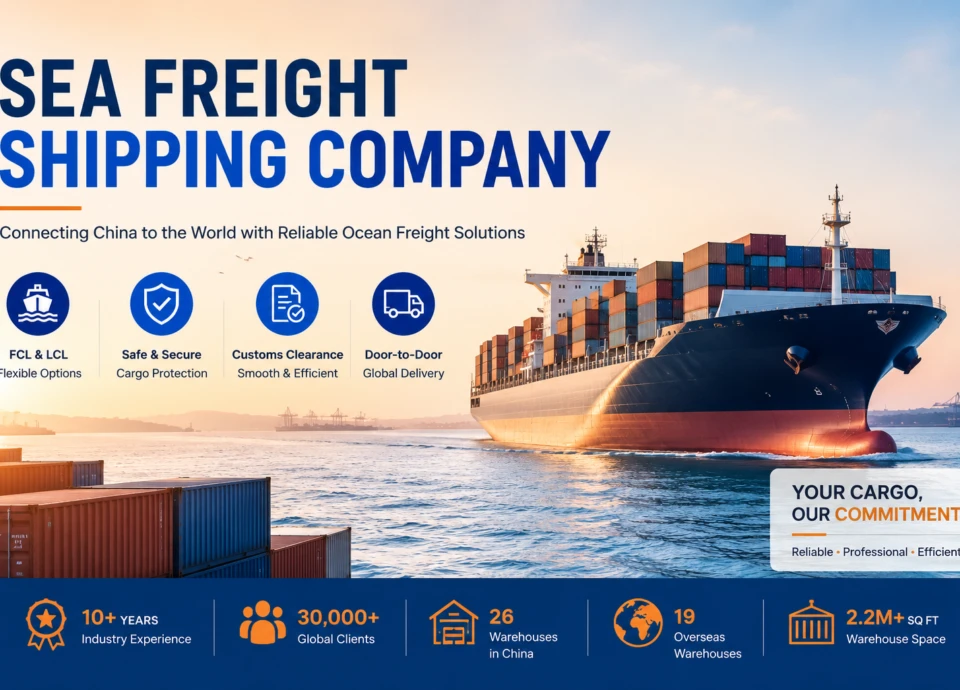
With more than 10 years of experience supporting over 30,000 cross-border e-commerce sellers, Niuku Logistics provides end-to-end freight solutions designed to help businesses optimize transportation costs while maintaining reliable delivery schedules.
Understanding LCL and FCL Shipping
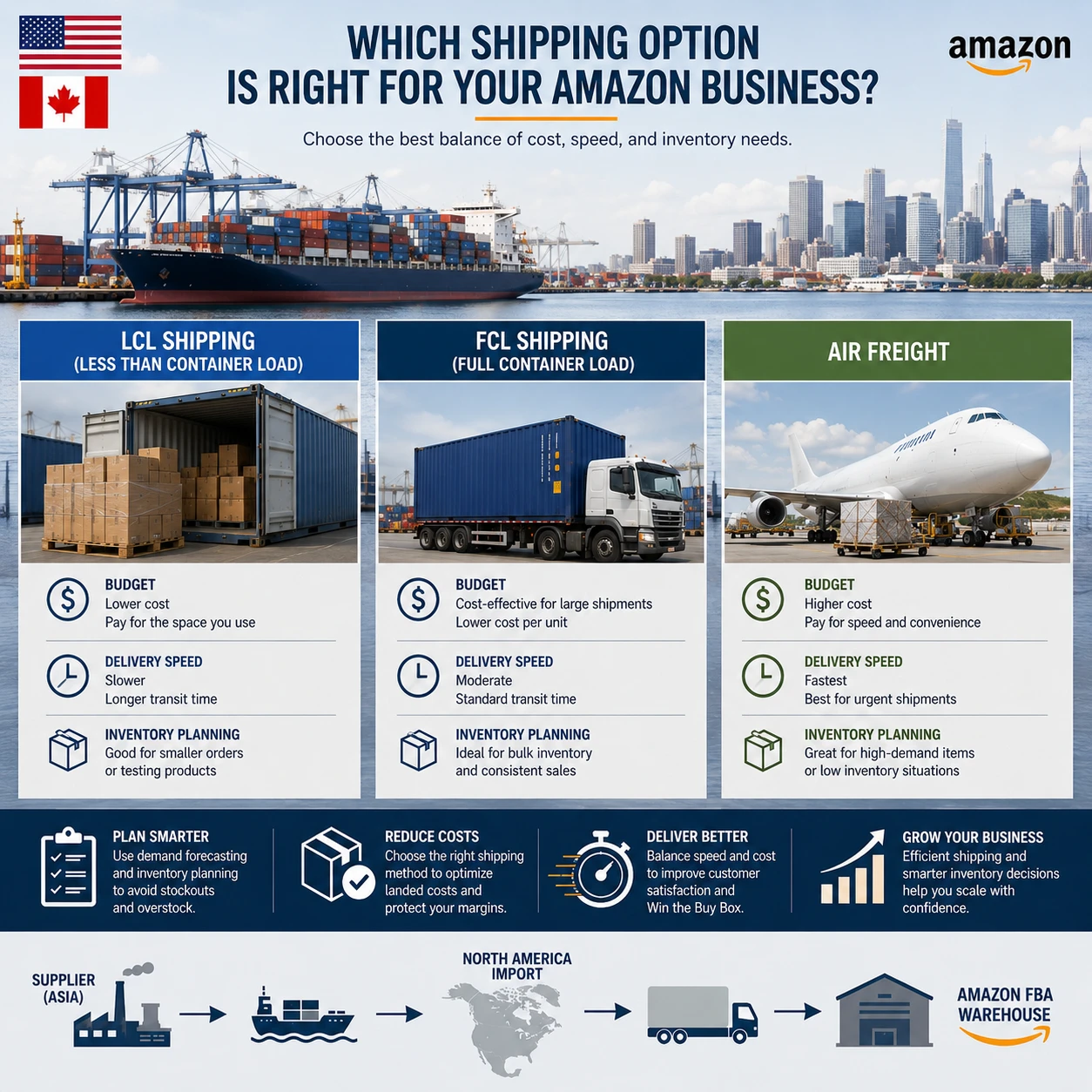
Ocean freight shipments are typically transported using either LCL or FCL services. The right option depends on shipment volume, urgency, and inventory strategy.
What Is LCL Shipping?
LCL (Carga inferior al contenedor) shipping allows multiple shippers to share space within a single ocean container.
Key characteristics include:
- Cargo is consolidated with shipments from other exporters.
- Costs are calculated based on cargo volume or weight.
- Lower upfront shipping expenses.
- Suitable for smaller or infrequent shipments.
LCL is often chosen by startups, small businesses, and Amazon sellers testing new products or entering new markets.
What Is FCL Shipping?
FCL (Carga de contenedor completo) shipping means one shipper reserves an entire container for its cargo.
Key benefits include:
- Exclusive use of the container.
- Faster loading and unloading processes.
- Manipulación de carga reducida.
- Better protection against damage.
- Lower per-unit transportation costs for large shipments.
FCL is commonly used by established sellers managing high-volume inventory replenishment or preparing for peak sales seasons.
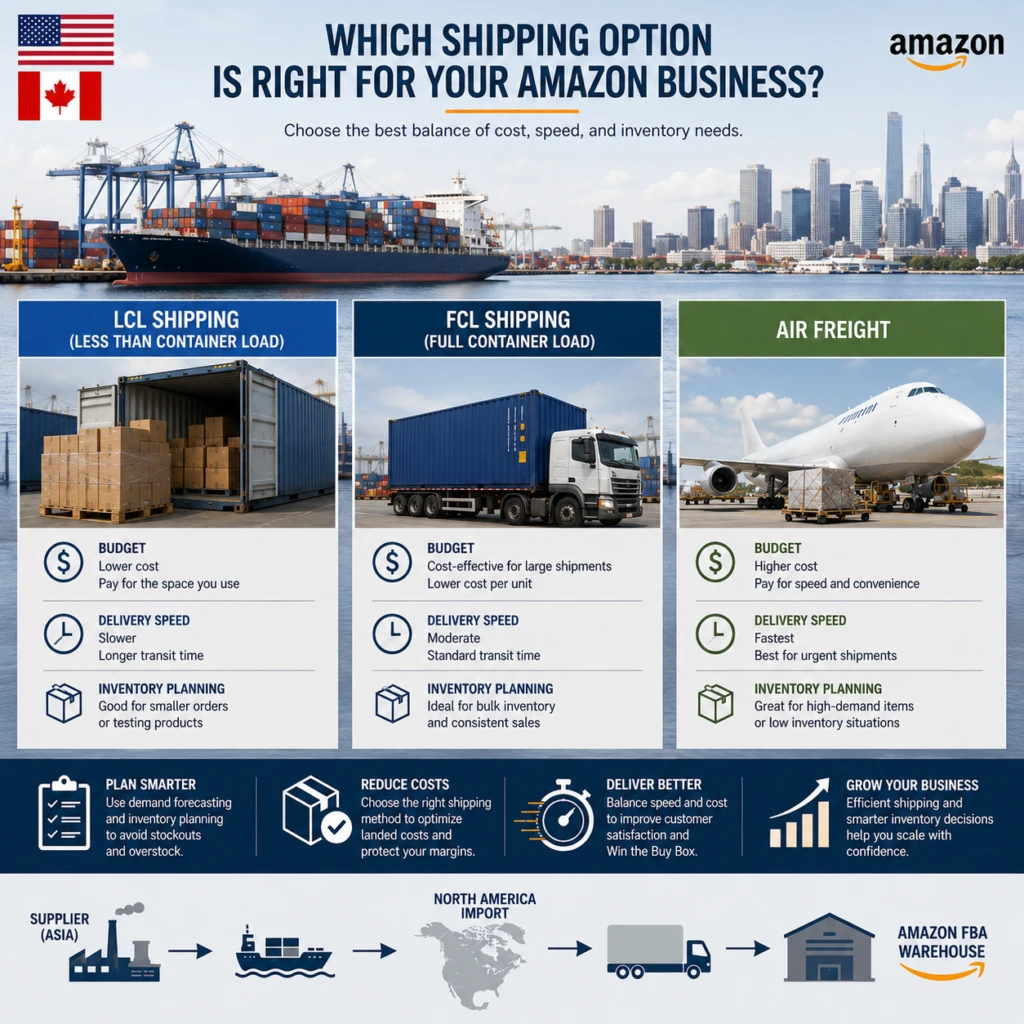
Factors to Consider Before Choosing LCL or FCL
Selecting the most cost-effective shipping method requires evaluating several operational factors.
Shipment Volume and Frequency
The amount of inventory being transported is often the primary deciding factor.
LCL may be the better option when:
- Shipping small quantities.
- Testing market demand.
- Managing limited inventory levels.
- Avoiding large upfront logistics expenses.
FCL is typically more advantageous when:
- Shipping large quantities regularly.
- Replenishing multiple fulfillment centers.
- Preparing for seasonal demand spikes.
- Reducing transportation costs per unit.
As shipment volume increases, FCL generally becomes more economical.
Cost Efficiency
Many sellers assume LCL is always cheaper because of its lower initial cost. Sin embargo, total logistics expenses should be considered.
LCL costs may include:
- Consolidation fees
- Deconsolidation fees
- Documentation charges
- Additional warehouse handling
- Longer storage periods
FCL benefits include:
- Predictable pricing
- Lower handling costs
- Reduced cargo transfer risks
- Better scalability for growing businesses
For larger shipments, FCL often provides superior long-term value.
Delivery Time and Reliability
Transit time directly impacts inventory availability and customer satisfaction.
LCL shipments may experience delays due to:
- Cargo consolidation requirements
- Multiple cargo owners within one container
- Additional warehouse handling processes
- Longer customs processing timelines
FCL shipments generally offer:
- Faster transit times
- Fewer handling points
- More predictable delivery schedules
- Lower risk of shipment delays
For sellers operating under strict Amazon inventory requirements, reliability often becomes a critical consideration.
Inventory Planning
Inventory strategy should align closely with freight decisions.
LCL supports:
- Lean inventory models
- Product testing
- Frequent small replenishments
- Lower inventory carrying costs
FCL supports:
- Bulk purchasing strategies
- Seasonal inventory buildup
- Promotional campaigns
- Reduced per-unit transportation expenses
Choosing the right freight option helps balance inventory availability and logistics spending.
Practical Shipping Scenarios
New Amazon Seller Launching a Product
A seller plans to import 200 units from Shenzhen to Los Angeles for a new product launch.
Recommended option: Envío LCL
Los beneficios incluyen:
- Lower upfront transportation cost
- Reduced financial risk
- Greater flexibility during market validation
- No need to wait until a full container is available
Niuku Logistics provides real-time shipment visibility through proprietary TMS and WMS systems, allowing sellers to monitor cargo progress throughout the shipping process.
Established Seller Replenishing Inventory
A mature Amazon business needs to ship 3,000 units to a U.S. fulfillment network.
Recommended option: Envío FCL
Los beneficios incluyen:
- Faster transit
- Lower cost per unit
- Manipulación de carga reducida
- Improved inventory availability
Combined with Niuku’s dedicated U.S. trucking network, FCL enables efficient transportation from port arrival to final warehouse delivery.
Comparing LCL and FCL Shipping
| Factor | Envío LCL | Envío FCL |
|---|---|---|
| Initial Cost | Lower | Higher |
| Cost Per Unit | Higher for large shipments | Lower for large shipments |
| Transit Time | Longer | Faster |
| Cargo Handling | More frequent | Minimal |
| Damage Risk | Higher | Lower |
| Flexibility | High | Moderate |
| Inventory Scale | Small to medium | Medium to large |
| Amazon FBA Suitability | Testing and small replenishments | Bulk inventory replenishment |
Additional Considerations for FBA Sellers
Customs Clearance
Both LCL and FCL shipments can utilize:
- DDP (Entregado con derechos pagados)
- DDU (Derechos entregados sin pagar)
Working with an experienced logistics provider helps ensure accurate documentation, customs compliance, and smoother clearance procedures.
Cargo Protection
Because LCL cargo is handled multiple times during consolidation and deconsolidation, additional packaging protection may be advisable.
FCL shipments benefit from fewer handling stages, reducing the risk of damage during transit.
Shipment Visibility
Modern supply chains require transparency.
Niuku’s integrated Transportation Management System (TMS) y sistema de gestión de almacenes (WMS) provide:
- Real-time shipment tracking
- Milestone monitoring
- ETA forecasting
- Inventory visibility
- Digital documentation access
These tools enable sellers to make proactive inventory decisions and reduce operational uncertainty.
Alternative and Hybrid Shipping Strategies
Not every shipment fits neatly into a traditional LCL or FCL model.
Many growing sellers adopt hybrid solutions such as:
Consolidated LCL Programs
Multiple smaller shipments can be combined to improve container utilization and reduce overall transportation costs.
Split FCL Strategies
Businesses may ship partially loaded containers according to staggered replenishment schedules, helping balance inventory availability and warehouse costs.
Air Freight Integration
For urgent inventory replenishment, air freight can complement ocean transportation.
Many sellers combine:
- Air freight for urgent stock
- Ocean freight for routine replenishment
This approach balances speed and cost efficiency.
Why Choose Niuku Logistics?
Selecting the right shipping method is only one part of building an efficient supply chain. Execution and operational visibility are equally important.
Niuku Logistics provides:
- Ocean freight and air freight solutions
- Amazon FBA logistics support
- DDP and DDU customs services
- Real-time TMS and WMS tracking
- Dedicated U.S. trucking operations
- End-to-end supply chain management
Our infrastructure includes:
- 26 logistics warehouses across China
- 19 overseas fulfillment hubs worldwide
- Comprehensive cross-border transportation services
In addition, Niuku holds FMC licensing and NVOCC (Non-Vessel Operating Common Carrier) certification, ensuring compliant and reliable international freight operations.
Conclusión
Choosing between LCL and FCL shipping depends on shipment volume, budget, inventory strategy, and delivery requirements.
LCL offers flexibility and lower upfront costs for smaller shipments, making it ideal for product testing and gradual inventory expansion. FCL delivers faster transit times, lower per-unit costs, and greater shipment security for high-volume operations.
By combining the appropriate freight strategy with a trusted logistics partner, businesses can improve supply chain efficiency, control transportation costs, and maintain consistent inventory availability.
With more than a decade of experience, support for over 30,000 global sellers, 26 logistics warehouses across China, 19 overseas fulfillment hubs worldwide, and advanced TMS/WMS technology, Niuku Logistics helps Amazon FBA sellers build reliable, scalable, and cost-effective international supply chains.
Explore our services:
With Niuku, you don’t just ship goods—you deliver confidence.