
For importers, Amazon FBA sellers, and cross-border e-commerce businesses, shipping from China to the United States involves far more than simple freight rates. Costs are shaped by multiple layers across transportation, customs compliance, warehousing, Bestandsplanung, and last-mile delivery. Understanding these cost drivers is essential for building a stable and scalable supply chain.
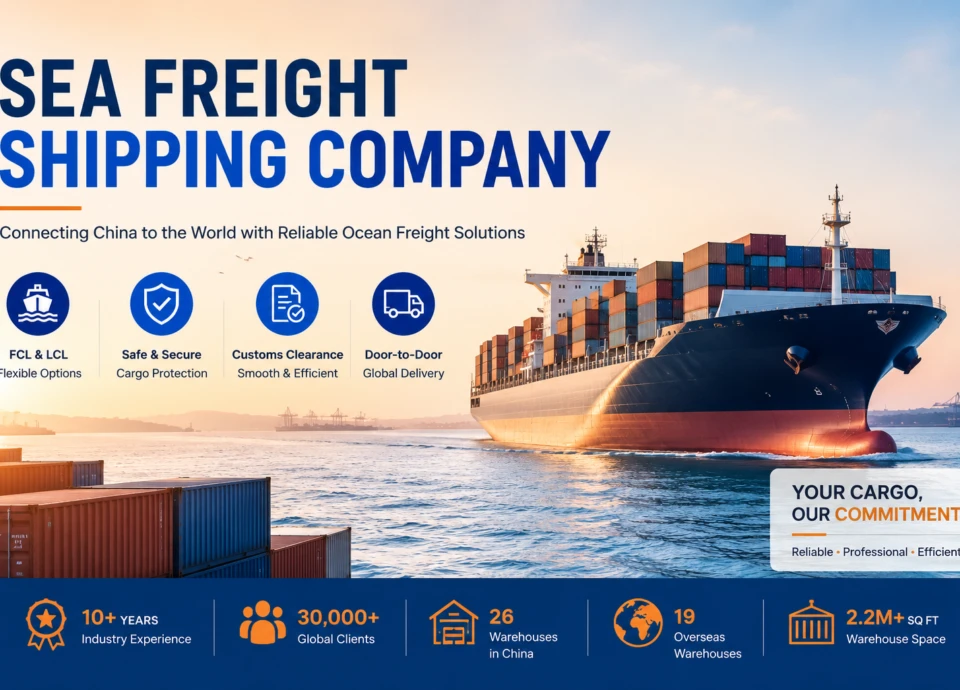
Mit über 10 years of logistics experience and support for more than 30,000 global sellers, Niuku Logistik provides end-to-end shipping solutions designed to improve cost efficiency, compliance, and delivery reliability.
What Comprises Shipping Costs from China to the USA?
International shipping costs are not a single fee but a combination of multiple operational components across the supply chain.
1. International Freight (Ocean or Air)
This is the core transportation cost from China to the United States.
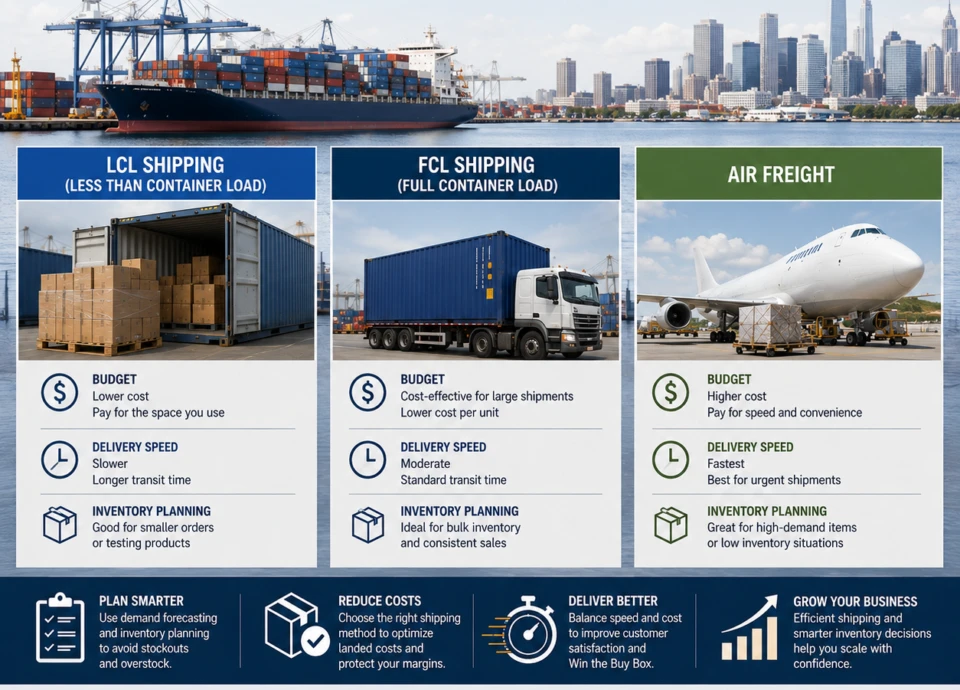
- Ocean freight is typically used for bulk shipments and cost efficiency
- Air freight is used for urgent, high-value, or time-sensitive goods
Freight rates fluctuate based on fuel prices, seasonal demand, vessel capacity, and global trade conditions.
2. Customs Clearance and Compliance
All goods entering the United States must comply with U.S. Customs and Border Protection (CBP) regulations.
Key factors include:
- Accurate HS code classification
- Proper documentation (commercial invoice, packing list, etc.)
- Duty and tariff calculation
- Compliance with import regulations
Errors in documentation can lead to delays, inspections, or additional charges.
3. Warehousing and Inventory Management
Once goods arrive in the destination country, they often require temporary storage or distribution processing.
This includes:
- Cross-docking services
- Inventory storage in U.S. warehouses
- Amazon FBA preparation and labeling
- Order fulfillment support
Strategic warehousing reduces delivery time and improves inventory flexibility.
4. Lieferung auf der letzten Meile
Last-mile delivery refers to transportation from port or warehouse to the final destination, such as Amazon FBA fulfillment centers or retail distribution hubs.
Costs vary based on:
- Distance
- Delivery urgency
- Carrier selection
- Shipment volume
Efficient last-mile logistics directly improves customer satisfaction and delivery speed.
5. Documentation and Regulatory Fees
Proper documentation ensures smooth customs clearance and avoids costly delays.
These may include:
- Customs filing fees
- Import permits (if required)
- Bond fees
- Compliance-related processing costs
Missing or incorrect documentation can result in shipment holds or penalties.
How Niuku Helps Control Logistics Costs
Niuku Logistics provides integrated end-to-end solutions designed to reduce complexity and improve cost predictability across the entire supply chain.
Zu den Dienstleistungen gehören:
- Ocean freight and air freight to the United States
- DDP (Delivered Duty Paid) and DDU (Delivered Duty Unpaid) customs solutions
- Amazon FBA logistics support
- Overseas warehousing and inventory management
- Last-mile trucking across major U.S. regions
- Real-time shipment visibility through proprietary TMS and WMS systems
By integrating multiple logistics stages into a unified system, Niuku helps reduce inefficiencies and hidden costs.
Why Shipping Costs Vary Across Businesses
Even for identical products, shipping costs can vary significantly depending on operational strategy.
Inventory Planning
Accurate forecasting reduces unnecessary expenses.
Poor planning can lead to:
- Emergency air shipments
- Overstocking or understocking
- Higher storage costs
- Disrupted supply chains
Distribution Strategy
Shipping to multiple warehouses or fulfillment centers increases complexity, but optimized distribution can:
- Reduce last-mile costs
- Improve delivery speed
- Balance inventory across regions
- Reduce stockout risk
Supply Chain Visibility
Real-time tracking and data transparency significantly improve logistics efficiency.
Without visibility, businesses may experience:
- Delayed decision-making
- Inventory mismatches
- Unexpected stockouts
- Higher emergency shipping costs
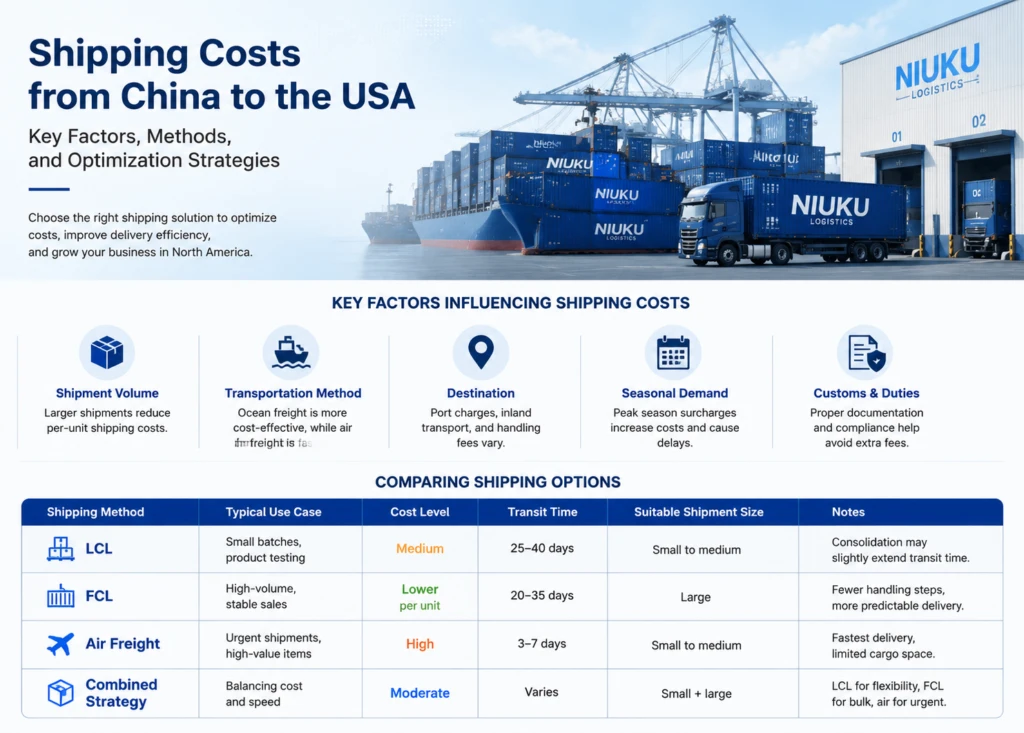
Common Factors That Increase Shipping Costs
1. Inefficient Inventory Management
Poor inventory planning often leads to unnecessary expenses such as:
- Emergency replenishment shipments
- Overstocked warehouse storage
- Underutilized inventory
- Increased handling costs
2. Compliance and Documentation Errors
Accurate paperwork is critical under U.S. CBP regulations.
Errors may result in:
- Customs inspections (X-ray, CET, or MET examinations)
- Demurrage and detention fees
- Extended shipment delays
- Administrative penalties
Recent changes in Section 301 tariffs, anti-dumping and countervailing duties (AD/CVD), and small-shipment clearance programs such as Section 321 (Type 86 Entry) have increased compliance requirements and customs scrutiny.
Partnering with an experienced logistics provider helps reduce these risks through proper documentation review and customs coordination.
3. Seasonal Demand Volatility
Peak seasons such as holidays and promotional events increase demand pressure on shipping networks.
This often leads to:
- Capacity shortages
- Higher freight rates
- Longer transit times
- Limited carrier availability
Early planning helps stabilize costs and improve delivery reliability.
4. Limited Supply Chain Visibility
Without integrated systems, businesses struggle to manage inventory efficiently.
This can result in:
- Stockouts
- Delayed replenishment
- Inefficient warehouse utilization
- Increased logistics costs
Amazon FBA Sellers: Cost-Saving Considerations
Für Amazon-Verkäufer, logistics efficiency directly impacts profitability and inventory performance.
Inventory Forecasting
Accurate demand planning reduces emergency shipments and improves cost efficiency.
Shipment Consolidation
Combining smaller shipments into larger loads improves container utilization and reduces per-unit shipping costs.
Strategic Warehousing
Positioning inventory in U.S. warehouses closer to customers reduces last-mile delivery time and transportation expenses.
Digital Logistics Integration
Using integrated systems such as Niuku’s TMS and WMS enables:
- Real-time shipment tracking
- ETA prediction
- Inventory monitoring
- Centralized logistics management
Why Niuku’s Warehouse Network Matters
Niuku operates a global logistics infrastructure designed to support scalable supply chains.
- 26 logistics warehouses across China
- 19 overseas fulfillment hubs worldwide
This network allows businesses to:
- Pre-position inventory closer to end customers
- Reduce transit times
- Improve fulfillment efficiency
- Optimize inventory distribution across regions
Digital Visibility as a Competitive Advantage
Niuku’s TMS and WMS platforms provide:
| Feature | Business Benefit |
|---|---|
| Real-time tracking | Full shipment visibility |
| ETA prediction | Improved planning accuracy |
| Inventory monitoring | Better stock control |
| Digital documentation | Faster customs processing |
| Centralized dashboard | Simplified logistics management |
FAQ
Q1: What drives shipping costs from China to the USA?
A: Shipping costs depend on freight type, customs compliance, warehousing, last-mile delivery, documentation requirements, and seasonal demand fluctuations.
Q2: How can businesses reduce logistics expenses without affecting speed?
A: Improve inventory forecasting, consolidate shipments, use U.S. warehouses, and leverage digital tracking systems.
Q3: How do tariffs and CBP inspections affect shipping?
A: Incorrect documentation or non-compliance may lead to inspections, delays, and additional fees.
Q4: Does warehousing reduce shipping costs?
A: Yes. Strategic warehousing reduces last-mile distance and improves inventory turnover.
Q5: Can shipments be tracked in real time?
A: Yes. Niuku’s TMS/WMS systems provide real-time tracking and ETA forecasting.
Abschluss
Shipping from China to the USA involves far more than freight costs alone. Customs compliance, Bestandsplanung, warehousing strategy, last-mile delivery, and digital visibility all play critical roles in determining total logistics efficiency.
Mit über 10 jahrelange Erfahrung, support for more than 30,000 global sellers, 26 logistics warehouses across China, 19 overseas fulfillment hubs worldwide, and advanced TMS/WMS systems, Niuku Logistics provides integrated solutions that enable predictable, cost-efficient, and scalable international shipping operations.